

Condo, Townhome or House in South Florida: Which Fits Your Budget?
HOA dues, insurance, repairs, Florida's new condo laws and financing: how condos, townhomes and houses really compare on a South Florida monthly budget.
Condo, townhome or house: what does your budget buy?
What can you pay each month?
/moYou can change this amount
Just the number you're comfortable with — we'll ask a couple more questions next.
See what that buys Illustrative planning tool only. Not a loan offer, appraisal or pre-approval.Short answer
In South Florida, a condo usually has the lowest price and insurance but the highest HOA dues, plus exposure to reserve funding and special assessments under the state's newer condo safety laws. A house has the lowest dues but the highest insurance and all repairs. A townhome usually sits in between. Compare total monthly cost, not price.
In the condo vs townhome vs house decision, South Florida flips the usual logic: the cheapest home to buy is not always the cheapest to own. A condo usually carries the lowest price and insurance but the highest HOA dues, a house has the lowest dues but the highest insurance and every repair, and a townhome sits in between.
The easiest way to tell them apart is one question: who owns the roof? In a house, you do, along with the hurricane deductible and the replacement bill. In a condo, the roof belongs to everyone, and you pay for it through dues, reserves and the occasional special assessment. A townhome can go either way, depending on its documents.
Below, we compare the three on monthly cost, upkeep, Florida's newer condo laws, financing and resale.
What each type costs per month
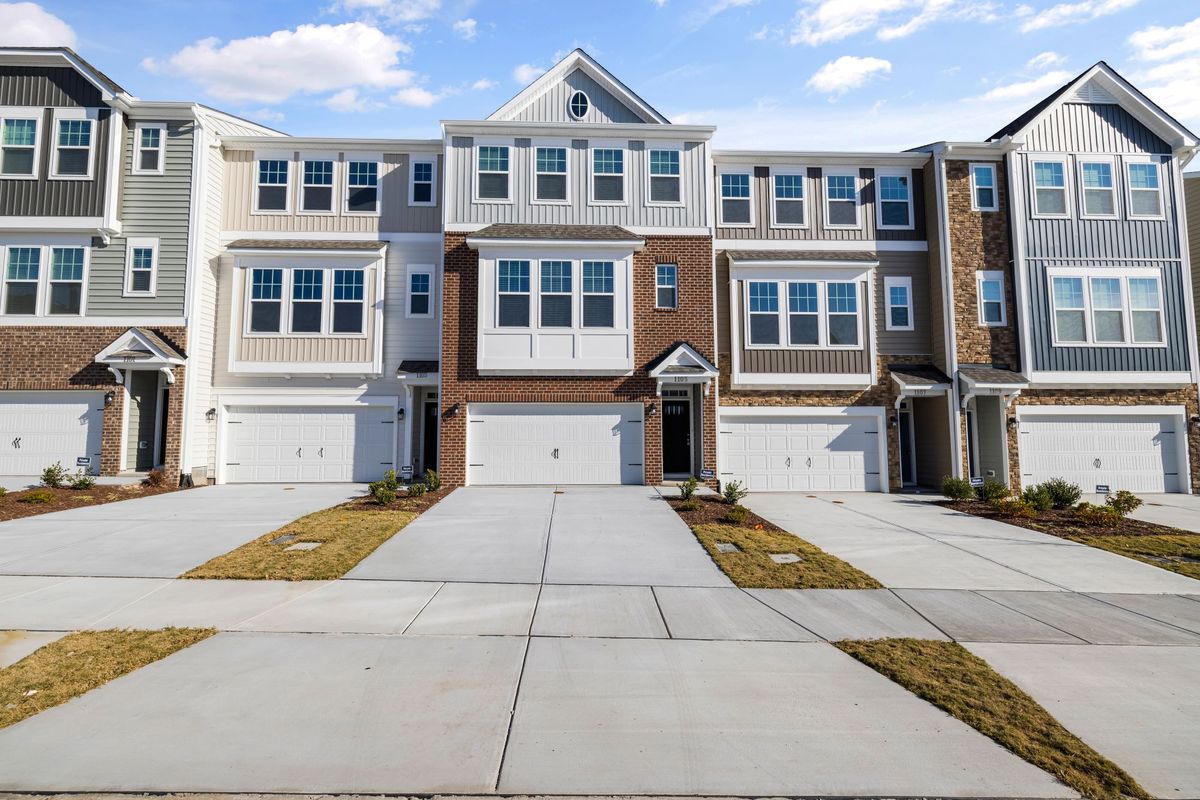
At the same price, a condo can have the highest monthly total because its HOA dues outweigh its lower insurance. A townhome often lands lowest, and a house sits in the middle before you count repairs.
Here is a $400,000 purchase in Deerfield Beach with 20% down at a round 7% rate, close to where 30-year rates sat in October 2026. Tax uses our calculator's 1.55% Deerfield Beach assumption; insurance and HOA use its typical figures for each type.
| Monthly cost | House | Townhome | Condo |
|---|---|---|---|
| Principal and interest ($320,000 loan) | $2,129 | $2,129 | $2,129 |
| Property tax (1.55%) | $517 | $517 | $517 |
| Insurance | $450 | $167 | $142 |
| HOA dues | $220 | $420 | $650 |
| Total | $3,316 | $3,233 | $3,438 |
The insurance gap is about what each policy covers. A house policy insures the whole structure, roof included. A condo owner's policy covers the unit, while insurance on the building is paid inside the HOA dues. That is part of why condo dues run high. For quotes and discounts, see our guide to homeowners insurance in South Florida.
Real buyers rarely compare at one price, of course. The same monthly budget buys a different price for each type, because dues and insurance take different bites out of it, so run your number for each type in our home budget calculator.
Maintenance: who fixes what
With a house, every repair is yours; with a condo, the association handles the building and bills everyone for it. Townhomes vary, so the documents decide.
- House: roof, windows, exterior paint, pool, landscaping and hurricane protection are all yours. You control the timing, but you fund every surprise.
- Townhome: some associations cover roofs and exteriors, others only common areas. Read what the dues include before you compare.
- Condo: the association maintains the structure and shared systems. You handle the inside of your unit and share the rest through dues and assessments.
Hurricane deductibles show the difference clearly. Florida insurers must offer deductibles of $500, 2%, 5% and 10% of the dwelling limit, so a house owner with a 2% deductible on $300,000 of coverage carries $6,000 of risk, applied once per calendar year for all hurricanes with the same insurer.
Florida's condo safety laws and what they mean for buyers
Since the Surfside collapse, Florida requires older condo buildings of three or more habitable stories to be inspected and to fund real reserves for major repairs. That makes buildings safer, and it can make ownership more expensive.
Milestone inspections
Condo and co-op buildings with 3 or more habitable stories need a milestone inspection by December 31 of the year the building turns 30, then every 10 years. A local building official may require it at 25 years based on local conditions, including proximity to salt water.
Structural integrity reserve studies
The same buildings need a SIRS at least every 10 years. It covers the roof, structure, fireproofing and fire protection, plumbing, electrical, waterproofing and exterior painting, and windows and exterior doors. For budgets adopted on or after December 31, 2024, associations required to have one can no longer waive or reduce reserves for those items. A 2025 law gives some relief: after a milestone inspection, owners can vote to pause or reduce those contributions for up to two budgets while they fund repairs.
The practical result is higher dues or special assessments in many older buildings. Two-story townhome condos and houses fall outside these specific inspection and SIRS rules, though their associations still set budgets.
Florida also gives you time to read. A resale condo buyer can cancel within 7 days, excluding weekends and legal holidays, after receiving the documents, which for contracts after December 31, 2024 include the milestone inspection summary and the most recent SIRS where applicable. Buying new from a developer, you get 15 days after signing.
Financing: condos get a closer look
Lenders review a condo building as well as the buyer, so a condo can be harder or costlier to finance than a house at the same price. Ask your lender about the specific building before you make an offer.
Fannie Mae's loan-level price adjustments factor in property type, including condos, alongside credit score and down payment. Lenders also look at the association's budget, reserves and insurance, and some buildings do not meet a given loan program's requirements. If you plan to use FHA, ask early whether the building qualifies; our guide to FHA vs. conventional loans explains the trade-offs.
Resale and who each type suits
Houses often appeal to the widest pool of buyers. Condos in older buildings facing large repairs can be harder to sell until the work is funded, so the building's finances matter as much as the unit.
Price levels show how much the mix shapes each city. Redfin's September 2026 median, all home types, was $324,845 in condo-heavy Deerfield Beach and $1,179,438 in Parkland, a market built around planned communities such as Heron Bay and MiraLago. In Boca Raton and Pompano Beach, you can find all three types.
- Condo: lock-and-leave owners, seasonal residents and buyers who want the beach close and maintenance off their plate.
- Townhome: first-time buyers and small families who want more space without a full yard.
- House: families, pet owners and anyone who wants control over repairs and no shared building budget.
Your pre-offer checklist
Before choosing a condo or HOA home, get the documents that show its finances. Six items cover most of the risk:
- The current budget and year-end financial statement.
- The most recent SIRS and milestone inspection summary, if the building needs them.
- Board meeting minutes, for repairs or assessments under discussion.
- Any pending or approved special assessments.
- The association's master insurance details.
- The estoppel certificate, which a condo association must issue within 10 business days of a request.
In a non-condo HOA, you must receive a disclosure summary before signing. If you do not, you can void the contract within 3 days of receiving it or before closing, whichever comes first.
This guide is general information, not legal, tax or lending advice. Check current figures with your lender, insurer or the county property appraiser.
Questions buyers ask
Why are condo HOA fees going up in Florida?
For budgets adopted on or after Dec 31, 2024, condo associations that need a structural integrity reserve study can no longer waive or reduce reserves for the items it covers. Many associations are funding those reserves and repairs through higher dues, special assessments or loans. Ask for the current budget and any planned assessments.
What is a SIRS when buying a condo in Florida?
A structural integrity reserve study estimates what a condo building will need to repair or replace, such as the roof, structure, plumbing, electrical and waterproofing, and how much to save. Buildings with 3 or more habitable stories must have one at least every 10 years. For contracts after Dec 31, 2024, sellers must provide the most recent one where applicable.
Is a townhome a condo in Florida?
Not always. Some townhome communities are run by a homeowners association and others are organized as condos, which brings condo rules. The governing documents say which, so check them before you sign.
Is homeowners insurance cheaper for a condo?
Usually, because the unit owner's policy covers the interior while the association insures the building through the dues. Our calculator assumes about $1,700 a year for a condo, $2,000 for a townhome and $5,400 for a house. Get real quotes for any home you are considering.
Sources
- Florida Statutes 553.899 — Milestone inspections
- Florida Statutes 718.112 — Condo budgets, reserves and SIRS
- Florida Statutes 718.503 — Condo buyer disclosures and cancellation
- Florida Statutes 720.401 — HOA disclosure summary
- Fannie Mae — Loan-Level Price Adjustment Matrix
- Lowndes — Florida condo reform bill (HB 913) signed into law


